


about nationality and statelessness

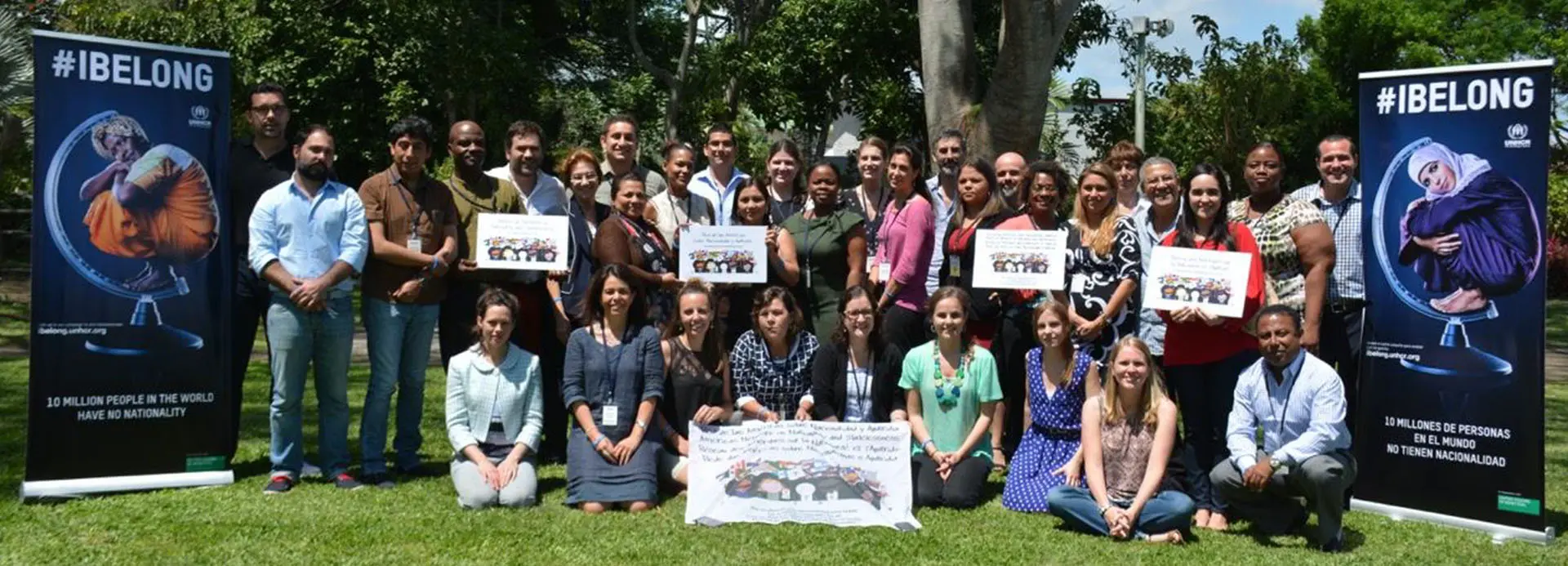
The Americas Network on Nationality and Statelessness is a network of civil society organizations, academic initiatives, and individual experts committed to address statelessness in the Americas. We believe that all human beings have a right to a nationality and that those who lack nationality altogether – stateless persons – are entitled to adequate protection.
Documents, case law and tools on nationality and statelessness in the Americas. Filter by organization or document type.
A stateless person is not recognized as a citizen by any State. This is important because citizenship is the essential foundation of a person’s legal identity. It is your right to have rights. Citizenship enables you not only to vote, hold public office, and exit and enter a country freely, but also to obtain housing, health care, employment, and education. Citizenship is necessary in order to live a decent human life. Stateless people are denied that right.
The right to nationality is enshrined in the Universal Declaration of Human Rights, the 1948 American Declaration of the Rights and Duties of Man and the 1968 American Convention on Human Rights.
Moreover, two UN Conventions deal specifically with statelessness:
Universal Declaration
of Human Rights
1954 Convention Relating
to the Status of Stateless Persons
1961 Convention on the Reduction of Statelessness
1948 American Declaration
of the Rights and Duties of Man
1968 American Convention
on Human Rights.
16 of the 36 countries and territories in the Americas have ratified both UN statelessness conventions — the strongest legal commitment a state can make. The other 20 have ratified only one, or neither.
Partners and organizations we are proud to work with.






























Do you work on nationality, statelessness, or human rights issues in the Americas? Join Red ANA.